
Operating cranes is a critical part of construction and industrial projects, but it comes with significant risks if safety isn’t prioritized. Cranes are powerful machines capable of lifting and moving massive loads, but without proper precautions, they can lead to accidents, injuries, and costly damages. At SkyHook Cranes, we believe safety is the foundation of every successful project. Here’s why crane safety is essential and the key measures to ensure every lift is performed safely and efficiently.
1. Why Crane Safety Matters
Cranes operate under extreme conditions, moving heavy materials to great heights or across complex environments. Without strict safety measures, the risks include:
- Equipment Failure: Improper maintenance or operation can cause mechanical breakdowns.
- Worksite Accidents: Unsafe practices can lead to injuries, property damage, or even fatalities.
- Project Delays: Accidents can halt operations, leading to missed deadlines and increased costs.
Prioritizing safety not only protects workers but also ensures projects remain on schedule and within budget.
2. Key Risks When Operating Crane
Understanding the risks is the first step toward creating a safe work environment. Some common hazards include:
- Overloading: Exceeding a crane’s load capacity can result in tipping or structural damage.
- Unstable Ground: Operating on uneven or improperly prepared surfaces can cause cranes to lose balance.
- Weather Conditions: High winds, rain, or lightning can create dangerous environments for crane operations.
- Inadequate Training: Operators without proper certifications may lack the skills to handle equipment safely.
- Improper Rigging: Incorrectly secured loads can shift or fall during lifting.
3. Essential Crane Safety Practices
To mitigate risks and maintain a safe job site, follow these essential safety practices:
A. Regular Equipment Inspections
Before any operation, cranes must be thoroughly inspected to ensure all components are in optimal condition. Look for signs of wear, damage, or malfunction in cables, hooks, brakes, and hydraulics.
B. Operator Certification and Training
Only certified and experienced operators should handle cranes. Continuous training ensures they stay updated on safety protocols, equipment advancements, and best practices.
C. Proper Load Management
- Always follow the manufacturer’s load capacity guidelines.
- Use appropriate rigging techniques to secure materials.
- Double-check load stability before lifting.
D. Ground Stability
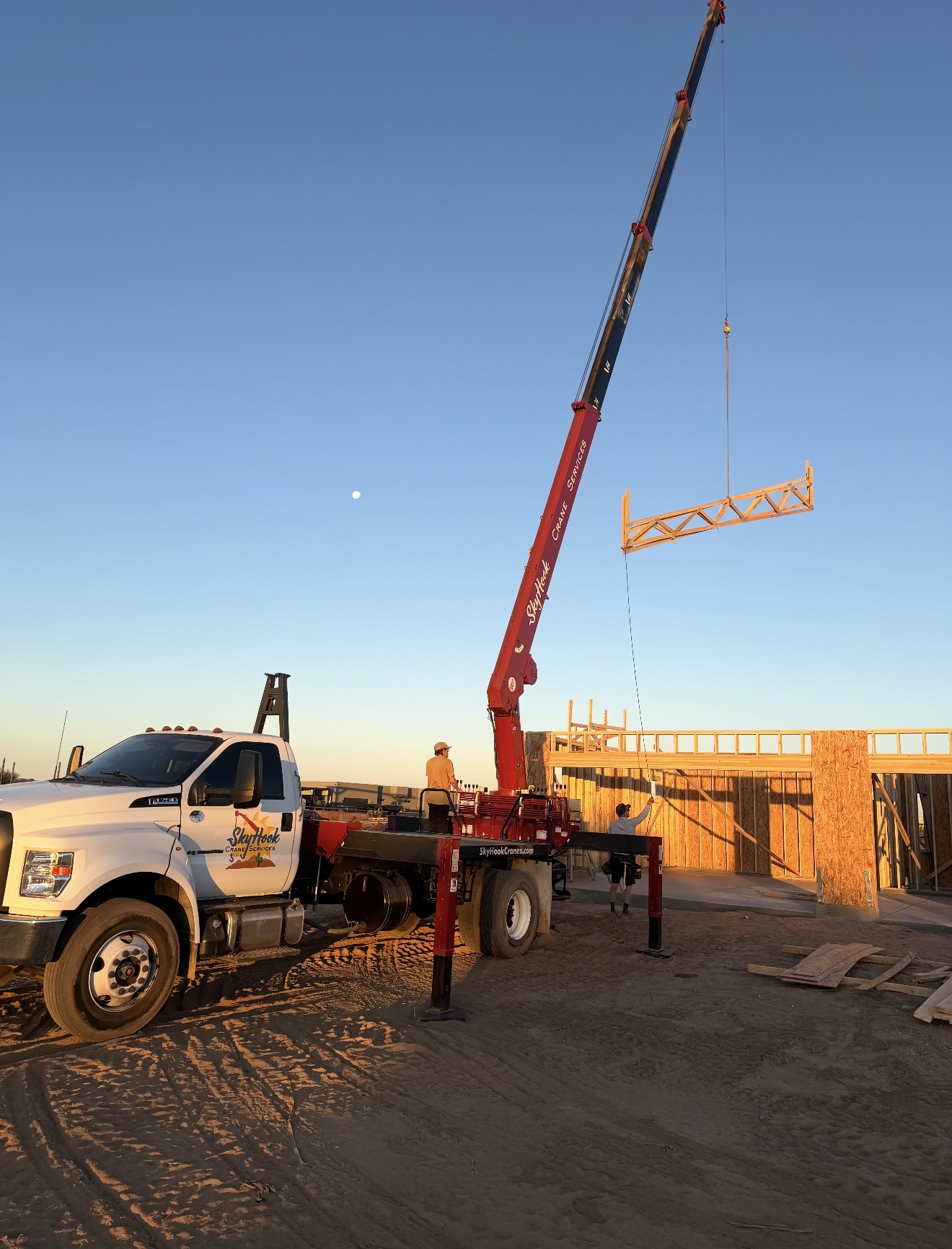
Ensure the ground or surface is level, compact, and capable of supporting the crane’s weight. Outriggers should be fully deployed and stabilized.
E. Monitoring Weather Conditions
Pause operations during adverse weather conditions. High winds can cause loads to sway, and lightning presents a severe risk to operators and equipment.
F. Clear Communication
Effective communication between crane operators, signalers, and ground workers is crucial. Use hand signals, radios, or other tools to ensure everyone is on the same page.
4. How SkyHook Cranes Ensures Safety
At SkyHook Cranes, safety is at the heart of everything we do. Here’s how we uphold the highest standards:
- Certified Operators: Our team is fully trained and certified to handle all types of crane operations.
- Meticulous Inspections: We perform routine maintenance and inspections to ensure our equipment is in top condition.
- Site Assessments: We evaluate each job site to identify potential risks and ensure the crane is operated safely.
- Ongoing Training: Our operators participate in regular safety training to stay updated on industry best practices.
- Adherence to OSHA Standards: We strictly follow Occupational Safety and Health Administration (OSHA) regulations to ensure compliance and safety.
5. The Benefits of Prioritizing Safety
When safety is the top priority, everyone benefits:
- Fewer Accidents: Proper precautions reduce the risk of injuries or fatalities.
- Increased Efficiency: Safe operations minimize disruptions and keep projects on track.
- Cost Savings: Avoiding accidents prevents costly repairs, legal fees, and downtime.
- Reputation Management: A strong safety record builds trust and confidence with clients and partners.
SkyHook Cranes
Safety is non-negotiable when operating cranes. By prioritizing inspections, training, and proper planning, you can ensure every lift is completed safely and efficiently. At SkyHook Cranes, we’re committed to delivering safe, reliable crane services for projects of all sizes.
📞 Contact us today to learn more about our safety-first approach and how we can support your next project!
602-615-0712