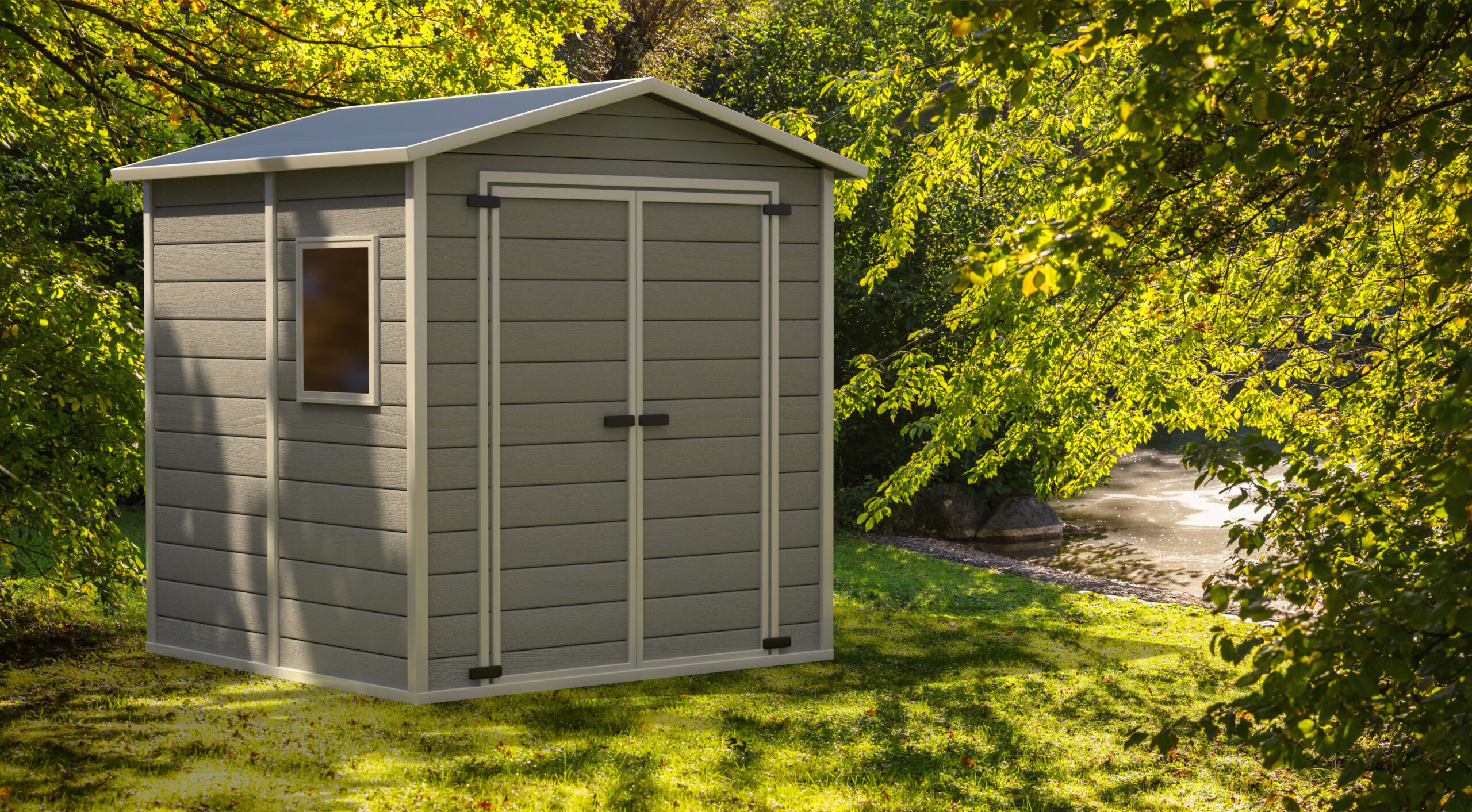

You’ve browsed the options, picked the perfect size, and finally bought that beautiful new prefabricated storage shed. You can already picture it sitting perfectly in your backyard, neatly holding your tools, lawnmower, or serving as your new hobby shop.
But there’s a major logistical hurdle that catches many homeowners off guard: How exactly is that fully constructed, multi-ton structure going to get from the delivery truck into your backyard?
If your property has tight side yards, beautiful landscaping, overhead power lines, or a solid block fence, a standard delivery trailer isn’t going to cut it. That’s where residential crane services come in.
Here is what you need to consider when planning the logistics for your new prefab storage shed.
The Delivery Reality Check: Wheels vs. Wings
Most prefab shed companies deliver their structures on a flatbed trailer and use a small, motorized machine (often called a mule) to roll the shed into place. While this works great for wide-open acreage, it presents massive risks for typical suburban properties:
- Property Damage: Heavy tires can easily leave deep ruts in your grass, crack your concrete driveway, or crush expensive underground irrigation lines.
- The Fence Obstacle: If your backyard is enclosed by a brick or wood fence, you might have to pay thousands of dollars to tear down a section of it just to roll the shed through—and then pay to rebuild it.
- Tight Fit: A standard mule needs several feet of clear clearance on either side of the shed. If your home sits close to the property line, it simply won’t fit down the side yard.
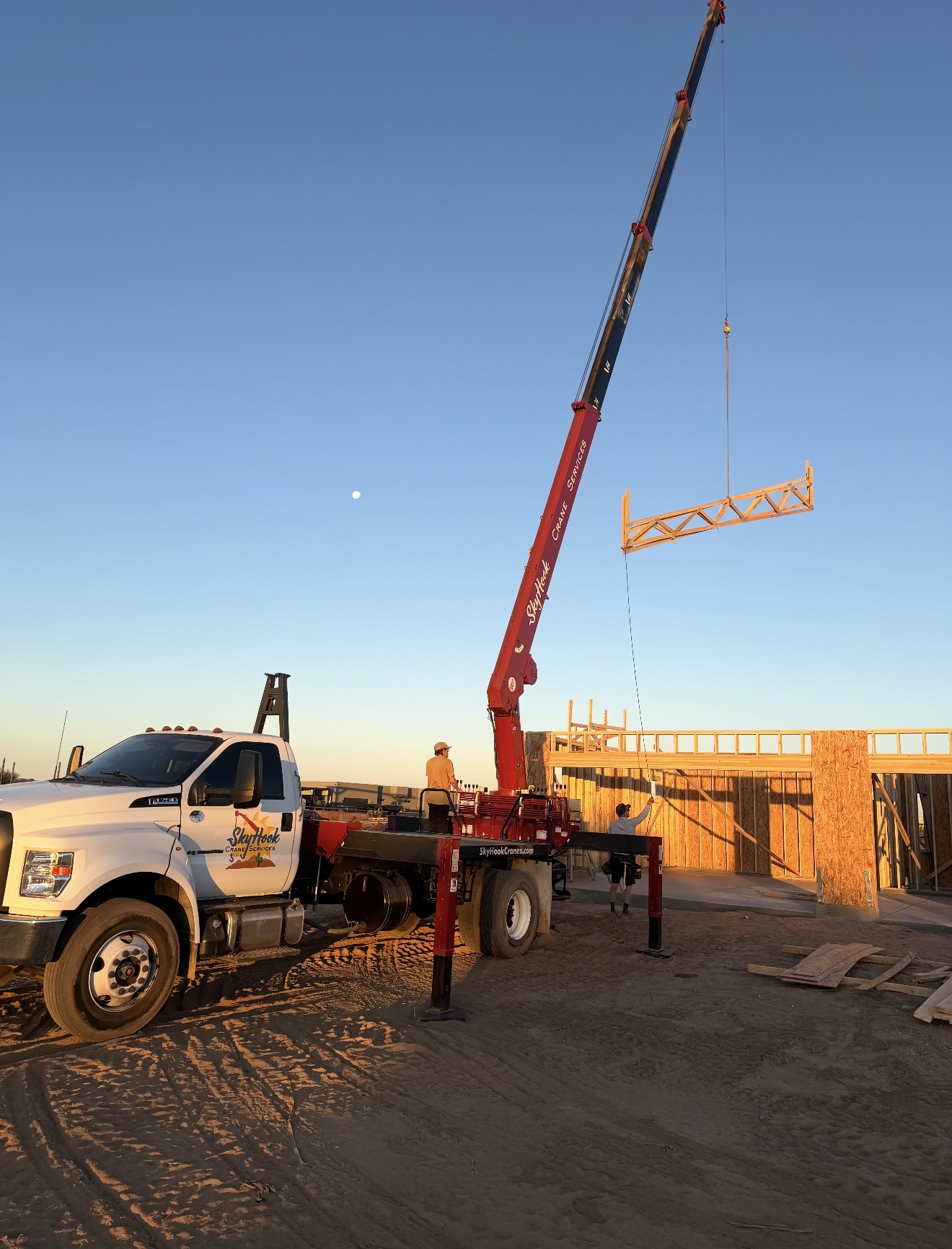
Hiring a mobile crane bypasses these obstacles completely. Instead of rolling through your property, the shed safely travels over it.
4 Crucial Crane Logistics to Plan Ahead
If a crane is the best path forward for your backyard setup, a little preparation ensures delivery day goes off without a hitch. Here is what our operators look for when structuring a safe, efficient lift:
1. Dropping Anchor (The Outrigger Footprint)
Cranes require a wide, stable base to lift heavy structures safely. When a mobile crane sets up, it extends massive stabilization legs called outriggers. We need a clear, flat area—typically on your driveway or the street—where the crane can park and deploy these legs without blocking emergency access or damaging neighborhood property.
2. Measuring the “Reach”
In the crane world, weight limits change based on how far the crane has to stretch its boom. Lifting a 3,000-pound shed right next to the truck is easy; lifting that same 3,000-pound shed over a two-story house to the very back corner of a deep lot requires a much larger crane with a longer reach. Knowing the exact distance from the parking spot to the final pad is crucial for selecting the right equipment.
3. Surveying Airspace Obstacles
Take a look up! The path from the street to your backyard needs to be completely clear of overhead hazards. Our team will look out for:
- Power lines and utility cables
- Overhanging tree branches
- Roof structural peaks and gutters
⚠️ Safety First: Working near power lines requires strict adherence to OSHA clearance regulations. Always let your crane company know if lines are nearby so they can plan a safe flight path.
4. Rigging and Structural Integrity
Prefab sheds aren’t naturally designed to fly. To lift them safely without crushing the roof or walls, we use specialized rigging equipment. This usually involves heavy-duty straps underneath the floor joists and a spreader bar across the top. The spreader bar keeps the lifting straps pulled wide, ensuring they don’t squeeze and damage the sides of your brand-new shed during the hoist.
What to Do Before Delivery Day
To ensure a seamless, stress-free delivery, follow this quick checklist before the crane arrives:
- Prep the Pad: Make sure your concrete pad, gravel base, or pavers are perfectly level and completely clear of debris.
- Talk to Your Neighbors: Let them know a crane will be on the street for an hour or two. They’ll appreciate the heads-up, especially if they need to move their cars out of the way.
- Clear the Launch and Landing Zones: Move patio furniture, potted plants, and trampolines away from the final installation site and the crane setup area.
- Secure Permits: Depending on your city and neighborhood, you may need a brief street-blocking permit or HOA approval.
Let Skyhook Crane Handle the Heavy Lifting
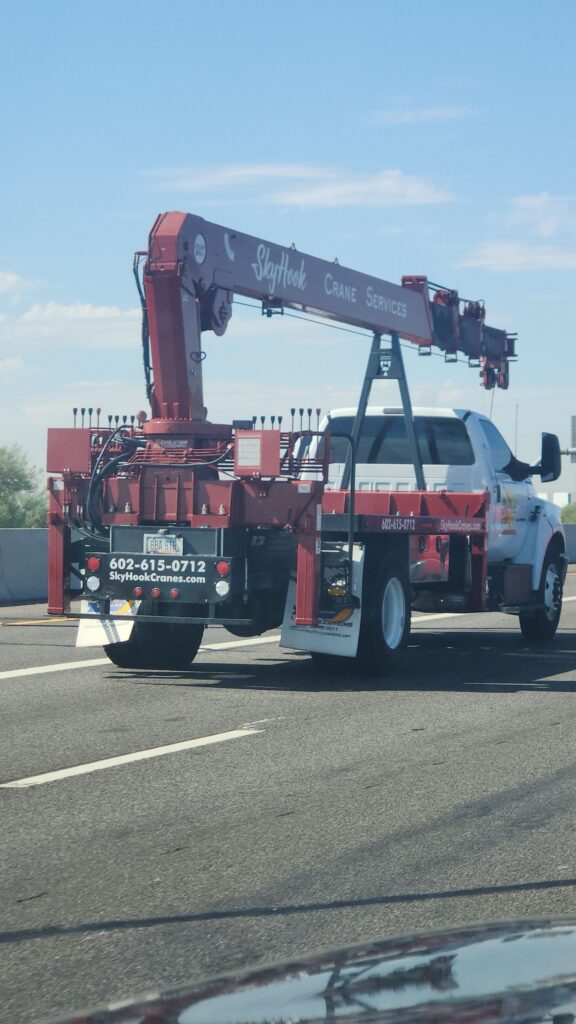
Don’t let delivery logistics ruin the excitement of upgrading your property. At Skyhook Crane, we specialize in managing difficult residential lifts throughout the Valley. From navigating tight spaces to protecting your expensive landscaping, our certified operators bring small-business care and big-business precision to every single backyard.
We take care of the planning, the rigging, and the lifting so you can focus on filling up your new space.