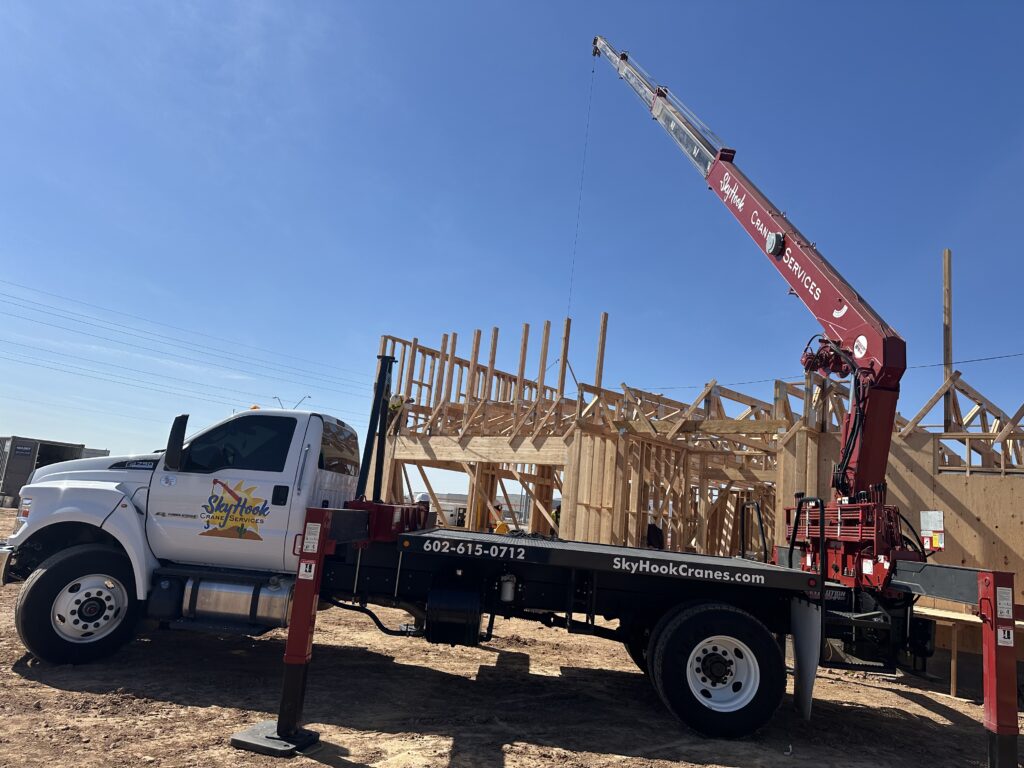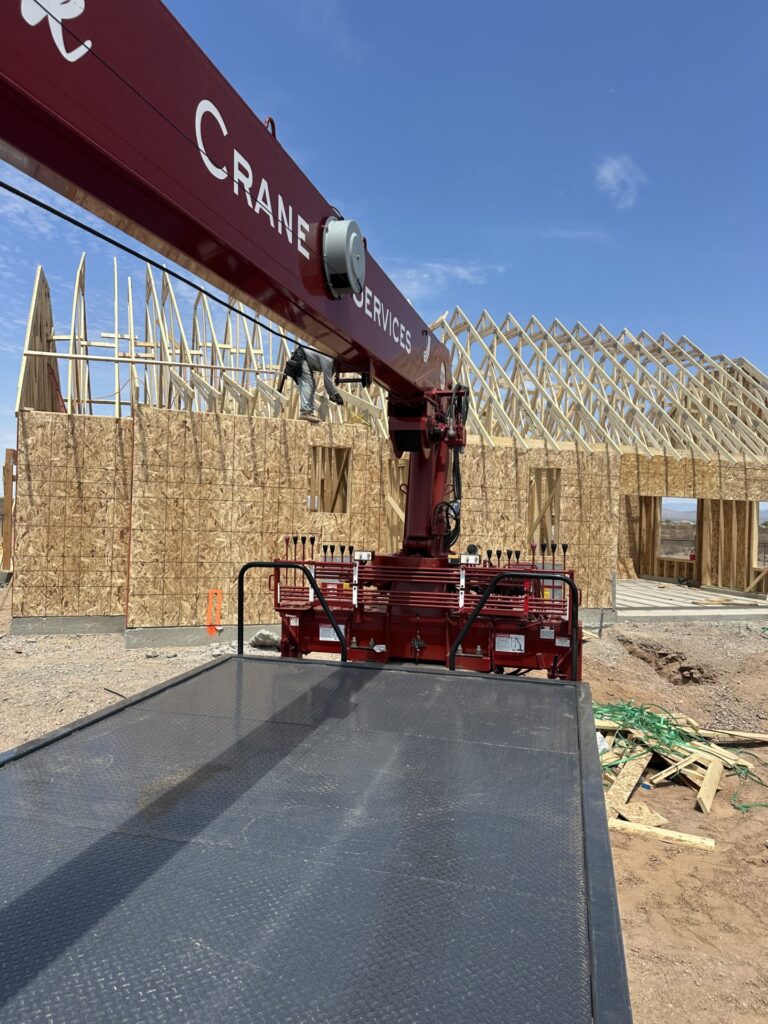

When people think of cranes, they often picture towering machines on massive commercial job sites. But cranes aren’t just for skyscrapers or industrial projects—they play an essential role in residential and building construction, too. Whether you’re building a custom home, a multi-family development, or upgrading a commercial property, cranes provide the muscle and precision that make construction efficient and safe.
Why Use a Crane in Construction?
Construction projects involve heavy materials that can be difficult—or even impossible—to move with manpower alone. Cranes are designed to safely lift and position items exactly where they’re needed. From rooftop HVAC units to steel beams and prefabricated walls, cranes make what would be a dangerous or time-consuming task simple and secure.
Common Crane Uses in Home & Building Construction
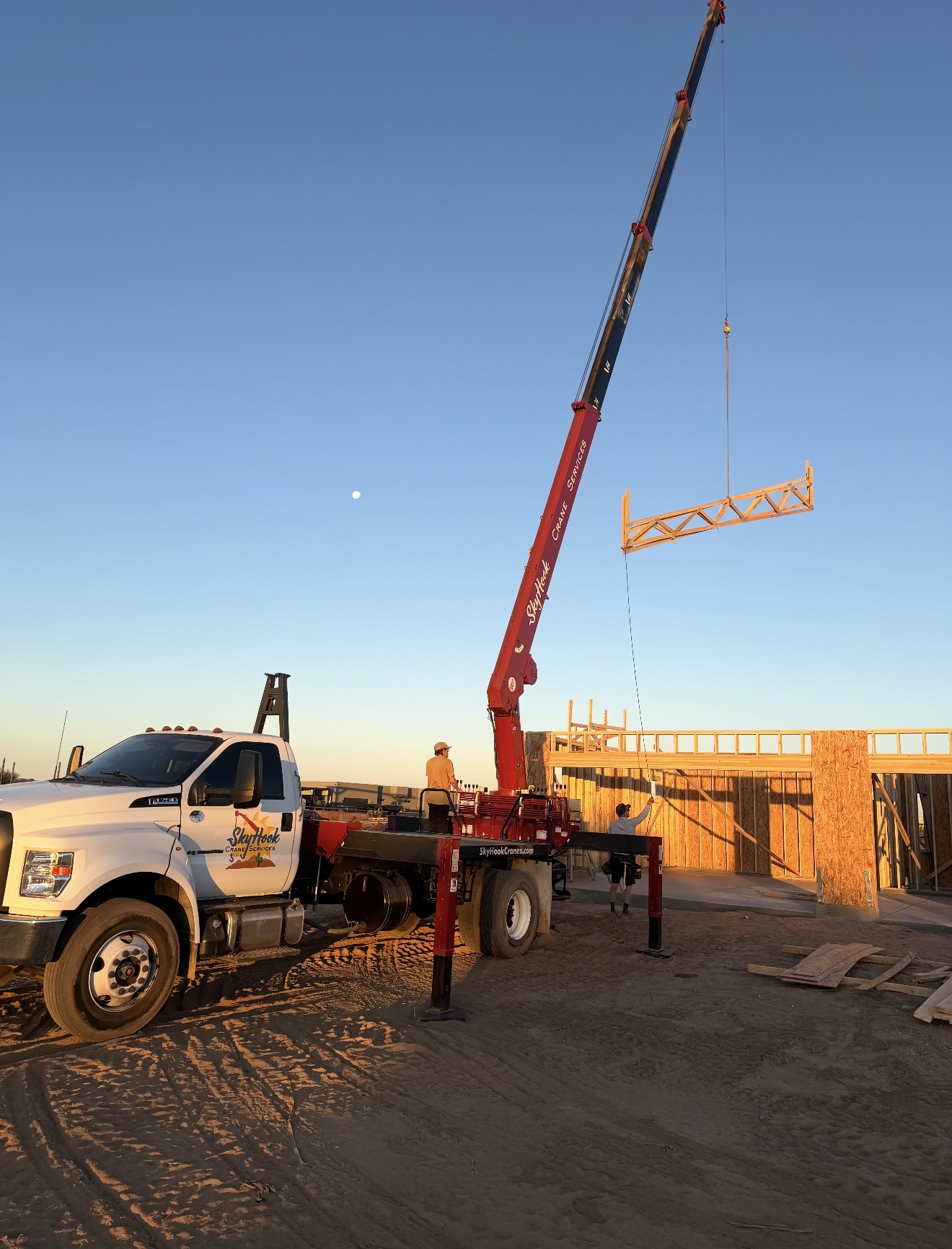
- Lifting Framing Materials: Large beams, trusses, and prefabricated panels can be lifted into place quickly.
- Setting Rooftop Equipment: HVAC systems, solar panels, and heavy roofing materials can be placed without damaging the structure.
- Delivering Supplies to Hard-to-Reach Areas: On tight lots or multi-story builds, cranes can move materials directly where crews need them.
- Placing Concrete and Steel: Cranes make it possible to handle large pours or steel installations with precision.
Benefits of Using a Crane
- Efficiency: Jobs get completed faster by reducing manual labor and delays.
- Safety: Reduces the risk of injuries from lifting heavy objects.
- Precision: Materials can be placed exactly where needed, minimizing rework.
- Cost Savings: Faster timelines and safer operations often mean reduced overall project costs.
Partnering with the Right Crane Company
Choosing a crane company with experience in residential and building projects makes all the difference. Look for a team that provides not only equipment, but also skilled operators who understand construction challenges. With the right support, your project will stay on schedule and run smoothly from foundation to final touch.